

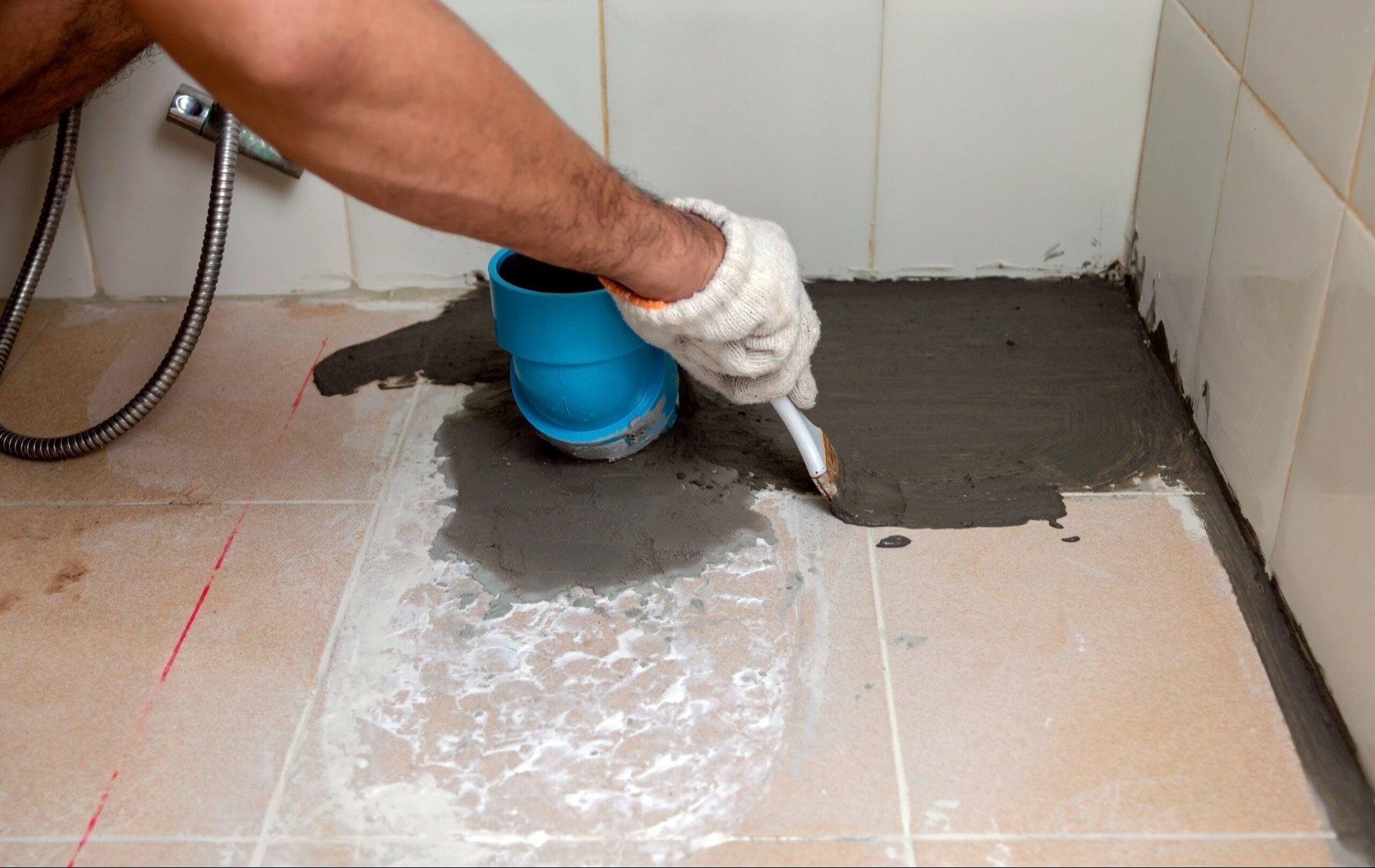
Waterproofing of Bathrooms & WC
Today in modern buildings, bathrooms are not just the places
of freshening up but also are visualized as personal spaces to get refreshed and
rejuvenated. As a matter of fact, a substantial amount of time and investment is put in
to makeover or build bathrooms as per individual’s choice. Of all the rooms in your
house, you will need the bathroom to be the most waterproofed.
The whole visualization gets disturbed when such bathrooms look wet and get frequently
exposed to water penetration through gaps. Failure to waterproof bathrooms not only
hampers the looks of your house but it could also lead to major problems.
Basement Waterproofing Treatment
Normally the materials and components used in bathroom to
make its floor, wall, architectural finishes etc. including service pipes and sanitary
fittings are susceptible to natural movement and as a result, the materials made of clay
and tiles affect the joints and cause the tiles to shift. This results in the leakages
and dampness on the walls. So, waterproofing of the bathroom is one of the most
important parameters and we have to ensure that the waterproofing systems are applied
correctly and carefully. The wrong selection and incorrect applications cause the
premature failure against leakage and rectification becomes much costly and
time-consuming and annoying too.
The main purpose of the waterproofing treatment is to stop the movement of water through
the floor bed or moisture penetration through the walls: drainage of the water through
proper slope to the drain points.
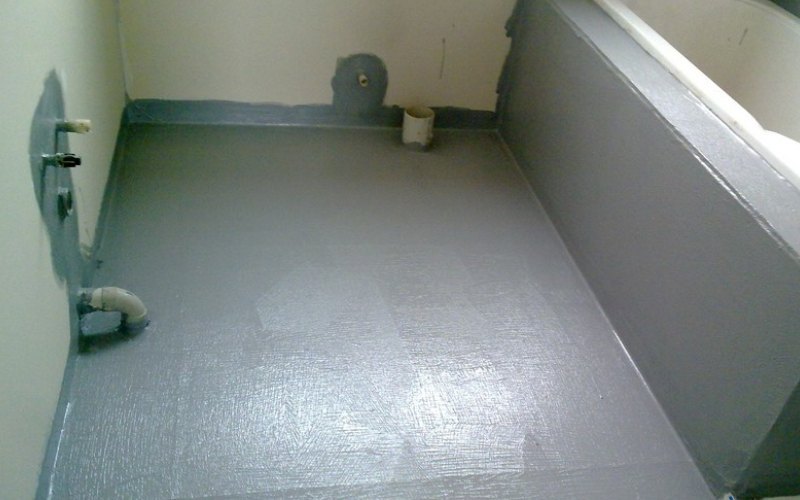
Generally common defects that occur in bathrooms and toilets are:
- Seepage through structural joint due to use of poor-quality material or insufficient water tightness from poor application. The main water source often remains undetected and unattended.
- Leakage through porous concrete caused by poor design and inadequate mixing. The concrete retains water and remains damp for a long time.
- Cracks in tiles if the tiles are not soaked and not tapped in place properly, they lose their water tightness over time and get damaged by subsequent construction activities.
- Tile de-bonding due to inadequate provision or wrong detailing of joints, or excessive shrinkage of the substrate because of improper mixing and insufficient curing.
- Rust staining caused by moisture migration and leaching of the surface, along with unattended algae and fungus growth due to prolonged dampness and poor ventilation.
- Leakage at pipe penetration and joints unplanned plumbing work creates gaps at the junction. If proper protection is not provided around concealed and embedded pipes, water can seep through, causing severe damage.
- Leakage through floor traps due to improper laying of floor traps along the slope, insufficient protection at the corner rounds, or poor application of membrane around pipes, water can seep through the joints.